What to Expect at Your First Psychiatric Appointment

Taking the step to see a psychiatrist for the first time is significant. For many people, it comes after weeks, months, or even years of struggling — and the anticipation of that first appointment can bring up a lot of feelings: nervousness, relief, uncertainty, hope.
The most common question new patients ask is simply: What is actually going to happen?
Here’s a straightforward, honest answer.
Before the Appointment
If you’re seeing a telehealth provider (like At Peace Psychiatry), you’ll receive intake forms to complete before your appointment. These typically include:
- A health history questionnaire
- Questions about your current symptoms and how long you’ve been experiencing them
- A list of current medications and supplements
- Information about previous mental health treatment
Don’t overthink the forms. Answer as honestly as you can, even if you’re unsure about some details. The appointment itself is where you’ll fill in the gaps.
What to Have Ready
A few things that help your first appointment go smoothly:
- Current medications list: Name, dose, and prescriber for everything you take
- Medication history: Any psychiatric medications you’ve tried in the past, and whether they helped or caused problems
- Medical history highlights: Any diagnoses, surgeries, or chronic conditions
- Family history: Mental health conditions that run in your family, if you know them
- A summary of your symptoms: When they started, how they affect your daily life, what makes them better or worse
You don’t need to have all of this perfectly organized. A rough list is better than nothing, and I’ll help fill in the picture during our conversation.
What Happens During the Appointment
First appointments at At Peace Psychiatry are approximately 60 minutes. Here’s what that time looks like:
We Talk — A Lot
The majority of the appointment is a conversation. I’ll ask about what’s been bringing you in, your history, your life circumstances, your previous experiences with mental health care, and what you’re hoping to get out of treatment.
This isn’t a rapid-fire checklist. It’s a real conversation. I want to understand who you are and what you’re going through — not just check boxes.
A Clinical Assessment
As we talk, I’m also doing a clinical assessment — evaluating your mood, cognition, thought processes, insight, and other factors that inform a psychiatric diagnosis. You won’t necessarily notice this happening. It’s woven into the conversation.
Your Questions Get Answered
I set aside time at the end of every first appointment specifically for your questions. If there’s something you’ve been wondering about, write it down before the appointment so you don’t forget.
Common questions people bring:
- “Do I actually need medication?”
- “What happens if I don’t want to take medication?”
- “How long will I need to be on this?”
- “Will this affect my ability to work/drive/think clearly?”
No question is too basic. This is your care, and you deserve to understand it.
A Care Plan
By the end of the first appointment, we’ll have a clear next step — whether that’s starting a medication, conducting further assessment, making a referral, or something else entirely. You won’t leave without a plan.
What the First Appointment Is NOT
To set realistic expectations:
- It’s not a quick visit where you walk out with a prescription after 10 minutes. Good psychiatric care takes time.
- It’s not therapy. Psychiatric evaluation and medication management are distinct from psychotherapy. If therapy is part of your care plan, we’ll talk about options.
- It’s not a commitment to anything. Leaving your first appointment does not obligate you to continue treatment.
After the Appointment
Following your first appointment, you’ll have a prescription (if appropriate), a follow-up scheduled, and a clear understanding of what comes next. Your patient portal through Headway is how we stay connected between appointments.
If you have questions after the appointment — about the medication, side effects, next steps — you can reach out through the portal.
A Final Note on Nervousness
It’s okay to be nervous. Most people are.
What I’ve found, consistently, is that the anticipation is almost always worse than the appointment itself. By the time we’re 15 minutes in, most patients are more relaxed — because the format is just a conversation, and the goal of that conversation is entirely your well-being.
If you’ve been thinking about making an appointment, I hope this helps. You can book your initial evaluation directly online — no phone tag, no waiting.
At Peace Psychiatry provides telehealth psychiatric care for adults and adolescents across California. Insurance accepted. Book your initial evaluation here.
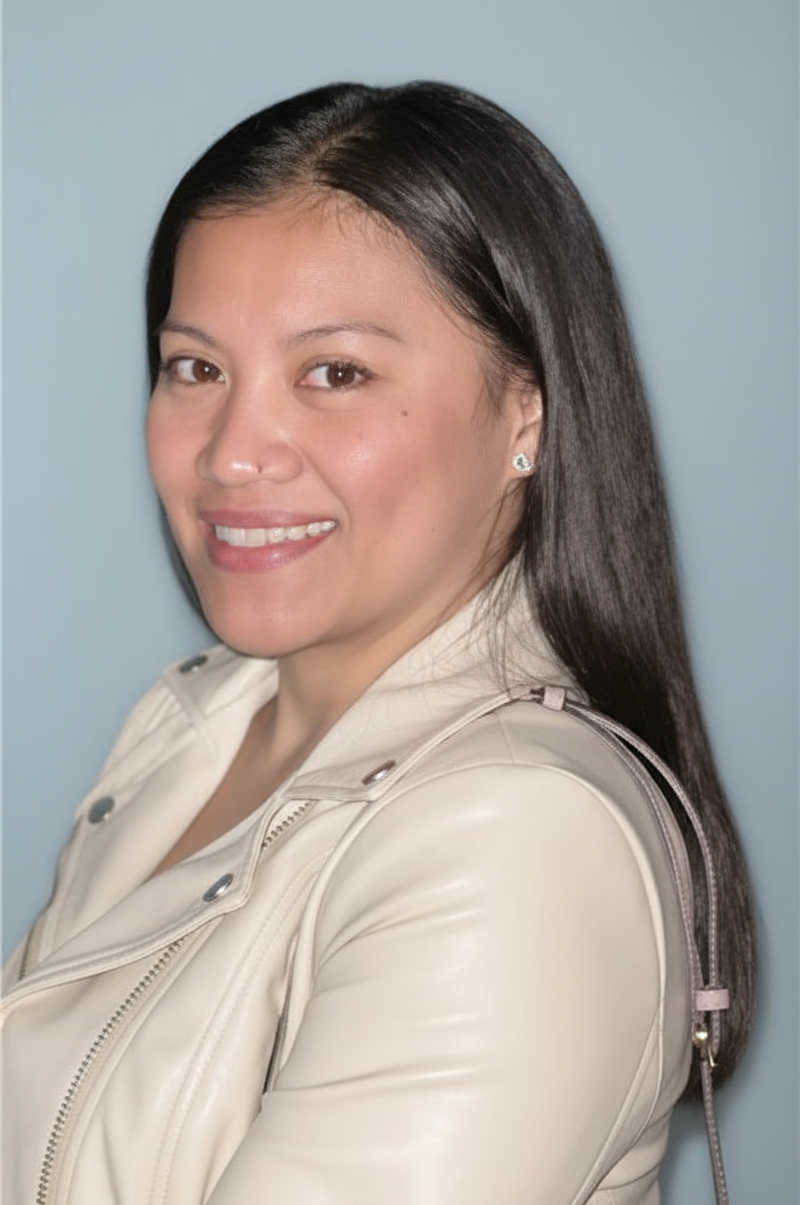
Jorylyn Galperin, PMHNP-BC
Board-Certified Psychiatric Mental Health Nurse Practitioner
Jorylyn is a board-certified PMHNP licensed in California, specializing in psychiatric evaluation and medication management for adults and adolescents. She founded At Peace Psychiatry to provide thoughtful, personalized psychiatric care via telehealth across the state.
Learn moreReady to Get Help?
If you're ready to begin psychiatric care, book your initial evaluation online.